

Blog
How Long Do Fresh Flowers Last? A Florist’s Care Guide by Flower

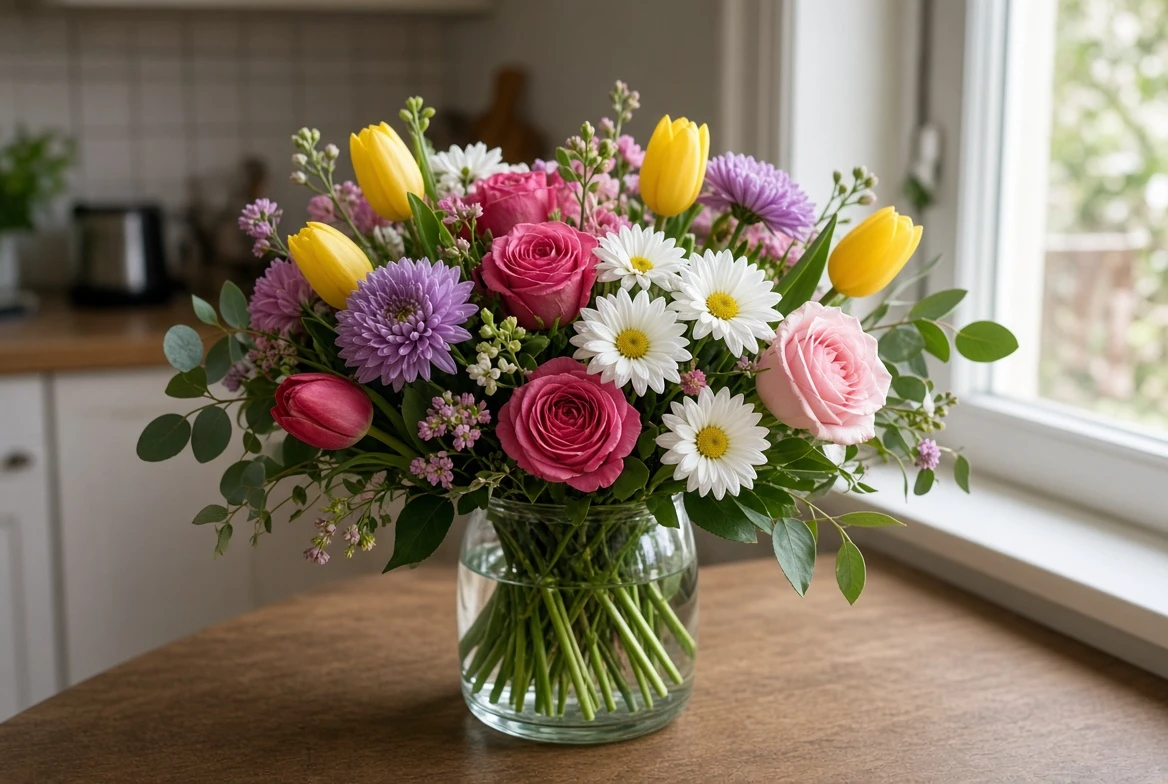
Fresh flowers are one of the simplest ways to make a home or office feel alive. The question we hear most often after a delivery is always the same: how long will they last? The honest answer is that it depends on the flower, how fresh it was when it arrived, and how it is cared for over the next few days.
In this guide, our florists share typical vase life for the most popular flowers, the simple care routine we use in our own studio, and a few tricks that make a real difference, especially in warm, dry Vancouver condos and offices.
How Long Do Fresh Flowers Last on Average?
Most fresh cut flowers last between 5 and 14 days in a vase. Some delicate varieties, such as sweet peas or tulips, are at their best for 3 to 7 days. Hardy flowers such as chrysanthemums, carnations and alstroemeria can easily last two weeks or more with good care.
Three things decide how long your flowers will last:
- The variety. Some flowers are naturally long-lasting, others are beautiful but brief.
- Freshness at delivery. Flowers that arrive in bud or just opening will last longer than flowers already in full bloom.
- Care at home. Clean water, a fresh cut and the right spot can add several days to any arrangement.
Vase Life by Flower: A Florist’s Chart
These are typical vase lives for fresh flowers that are cared for well. Your results may vary depending on the season and the room they are kept in.
| Flower | Typical vase life | Florist tip |
|---|---|---|
| Roses | 5 to 10 days | Recut stems every two days and keep away from heat. |
| Lilies | 7 to 14 days | Remove the pollen anthers as blooms open. |
| Chrysanthemums | 10 to 21 days | Remove leaves below the waterline. |
| Carnations | 10 to 21 days | Among the longest-lasting cut flowers. |
| Alstroemeria | 10 to 14 days | Pull off yellowing leaves to keep water clean. |
| Orchids (cut) | 10 to 14 days | Mist lightly and avoid cold drafts. |
| Sunflowers | 6 to 12 days | Use plenty of water, they drink a lot. |
| Lisianthus | 7 to 10 days | Remove spent blooms so buds can open. |
| Hydrangeas | 5 to 7 days | Revive drooping heads by submerging in cool water. |
| Peonies | 5 to 7 days | Buy in bud and enjoy them opening. |
| Ranunculus | 5 to 7 days | Use shallow water, stems are soft. |
| Gerbera daisies | 4 to 7 days | Use shallow water to prevent stem rot. |
| Tulips | 3 to 7 days | They keep growing in the vase, trim to shape. |
| Sweet peas | 3 to 5 days | Enjoy the scent, they are short-lived. |
| Eucalyptus and greenery | 2 to 3 weeks | Often outlasts the flowers, keep it for a second arrangement. |
A mixed arrangement will not fade all at once. As the more delicate flowers finish, remove them and the rest of the arrangement will keep looking fresh for days longer.
The Florist’s 5-Step Care Routine
This is the routine we recommend for every bouquet and vase arrangement that leaves our studio. It takes about five minutes and makes the biggest difference.
1. Start with a clean vase
Bacteria are the main reason flowers wilt early. Wash the vase with hot, soapy water before use, even if it looks clean. If your arrangement arrives in its own vase, it is already clean and ready.
2. Cut the stems
Using sharp scissors or a knife, cut 1 to 2 cm off each stem at a 45-degree angle. The angle gives the stem more surface area to drink and stops it sitting flat on the bottom of the vase. Repeat every two days.
3. Remove leaves below the waterline
Any leaf sitting in water will start to rot and cloud the water. Strip the lower leaves so only clean stems are submerged.
4. Use fresh water and flower food
Fill the vase with cool, fresh water and add the flower food packet if one came with your flowers. Flower food feeds the blooms and slows bacteria. Change the water completely every two days, or sooner if it looks cloudy.
5. Choose the right spot
Keep flowers away from direct sunlight, heaters, radiators, fireplaces and electronics that give off heat. Avoid drafts from open windows and air conditioning vents. Most importantly, keep them away from fruit bowls, because ripening fruit releases ethylene gas, which makes flowers age faster.
Caring for Flowers in a Vancouver Condo or Office
Many of our deliveries go to Downtown Vancouver condos and office towers, which come with their own challenges.
- Heated air in winter. Central heating dries the air and warms the water. Check the water level daily, because flowers can drink a surprising amount in a warm room.
- Floor-to-ceiling windows. Glass towers can get very warm in the afternoon sun, even in cooler months. Place flowers away from the window or move them out of the sun during the day.
- Offices over the weekend. Many buildings lower the heating or turn off air circulation on weekends. On a Friday, top up the water and, if possible, move the arrangement away from windows.
- Reception desks. Lobby areas often have drafts from doors opening. A spot slightly away from the entrance will help flowers last longer.
How to Care for a Hand-Tied Bouquet
If your flowers arrived as a wrapped bouquet rather than in a vase, they will usually come with a water source tied around the stems. To keep them at their best:
- Unwrap the bouquet over a sink, as the water source may still hold water.
- Keep the binding tie in place if you want to keep the shape of the design.
- Cut the stems at an angle and place the bouquet in a clean vase with fresh water right away.
- Choose a vase about half the height of the bouquet so the flowers are supported.
Care Tips for Popular Flowers
Roses
Roses are thirsty. Recut stems every two days and keep the water topped up. If a rose head starts to droop early, recut the stem and place it in warm water for an hour. Air bubbles in the stem are often the cause, and this usually revives it. Explore our rose collection for designs that suit every occasion.
Lilies
As each lily opens, gently pull off the orange pollen anthers with a tissue. This prevents pollen from staining clothes, tablecloths and petals, and helps the blooms last longer. Lilies are toxic to cats, so keep them out of reach of pets.
Hydrangeas
Hydrangeas drink through their petals as well as their stems. If the heads start to wilt, submerge the whole flower head in cool water for 30 to 60 minutes, then recut the stem and return it to the vase.
Tulips
Tulips keep growing after they are cut and bend toward the light. This is natural. Turn the vase daily and trim stems if they become too tall for the design.
Orchids
Cut orchids prefer warm rooms without drafts. Potted orchids last for weeks or months: water lightly once a week and keep them in bright, indirect light.
Flower Care Myths: What Works and What Doesn’t
- Adding sugar: sugar feeds the flowers, but it also feeds bacteria. On its own it often makes water cloudy faster. Flower food is balanced to do both jobs properly.
- A copper penny or an aspirin: there is little evidence that either makes a meaningful difference. Clean water and fresh cuts matter far more.
- A drop of bleach: a tiny amount, just a few drops per litre, can slow bacteria if you have no flower food. Too much will damage the stems.
- Putting flowers in the fridge overnight: this one works. Florists keep flowers cool to slow ageing. If you have space, a cool room or fridge overnight can add days. Just keep them away from fruit.
Signs Your Flowers Are Finished
Even with perfect care, every flower has a natural lifespan. Petals that turn brown or translucent, stems that turn soft and slimy, and water that clouds quickly after changing are all signs a flower is at the end. Remove these stems straight away so they do not shorten the life of the rest of the arrangement.
Want fresh flowers all the time? Many of our clients in Downtown Vancouver choose weekly or monthly flower deliveries for their homes and offices, so there is always something fresh on the table. Browse our vase arrangements or read our guide to corporate holiday gift ideas in Vancouver.
Frequently Asked Questions
How long do fresh flowers last in a vase?
Most fresh cut flowers last between 5 and 14 days in a vase. Hardy varieties such as carnations, chrysanthemums and alstroemeria can last up to three weeks with good care.
How often should I change the water in my flowers?
Change the water completely every two days, or sooner if it becomes cloudy. Recut the stems each time you change the water.
Which flowers last the longest?
Carnations, chrysanthemums, alstroemeria, cut orchids and lilies are among the longest-lasting cut flowers. Eucalyptus and other greenery often last two to three weeks.
Why are my roses drooping so quickly?
Drooping roses usually have an air bubble blocking the stem. Recut the stem at an angle under water and place it in warm water for an hour. Heat and dirty water can also cause early drooping.
Should I use the flower food packet?
Yes. Flower food contains nutrients for the blooms and ingredients that slow bacteria, and it is the single easiest way to help flowers last longer.
Where is the best place to put fresh flowers?
Choose a cool spot away from direct sunlight, heaters, drafts and fruit bowls. In Vancouver condos and offices, avoid sunny windows and heating vents.
VanCentral Florist is a women-owned flower studio in Downtown Vancouver, creating modern, luxury arrangements with fresh, carefully selected flowers and same-day delivery across the city.
